


Photo And Name Breeding Dogs
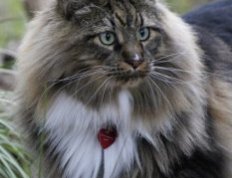
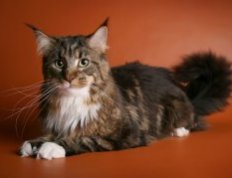
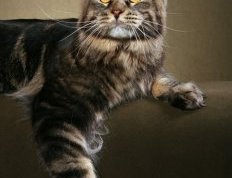
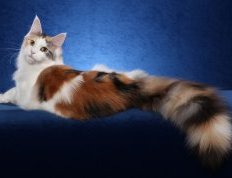
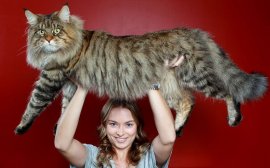 Main-kun (Maine Coon) is a native breed of half-length cats, whose ancestors lived on the Main, North-East American farms. Their name, which is literally translated as " Man ' s Enote " , was derived from the external characteristics of a raccoon similarity, the colour of the wool (black tabby), the stowage and the vast floating tail. Mein-kuns are known to be highly intelligent, disguise and particularly large. The pond is one of the largest household cats in the world: the average weight of the female is 4, 5-6 kg and the male weight may vary from 7 to 12 kg.
There are several legends and theories of this species. According to one of them, it was not accidental that they had acquired their renots, but as a result of the intersection of semi-digent cats.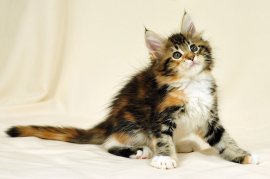 Another myth states that the mein-kuns came from the love of the cats and wild sprays, which explains the presence of all the famous whistles at the tips of their ears. Naturally, the truth of these versions is completely excluded, as such alliances are not possible because of different types. There's another myth about the origin of the mein-kun species. According to him, the pond is owed to Maria Antoinette, the queen of France, who, in an attempt to escape from the rebel France with the help of Captain Samuel Klafa, has loaded his ship with the most valuable items and six favorite cats of the Turkish angore. As the escape was known, Maria Antoinetta's companions went along with her cats to America and safely reached the coast of Wiskasset, Maine, where Queen's favorites began to cross short-short species of cats and evolved into modern mein-kun.
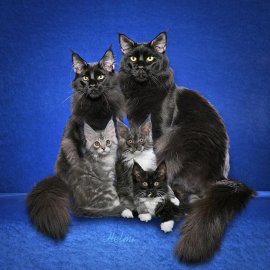 According to another legend, the English sailor, Captain Charles Kun, was on board his ships with long-seater cats. Every time Koon's ship threw an anchor off the coast of New England, they went off the coast and evaded local wild cats. When the local cats started to show up with long-lossed cats, people gave them the name Kuna.
In fact, the origins of the mein kun, like most cat species, are not clear. Most likely, they appeared more than 150 years ago as a result of the cross-section of home-borne short-sixed cats in Main and other parts of New England with imported long-seater cats from small Asia.